Find The Missing Dimension Of The Triangle
We all love triangles, don't we? They're everywhere! From the mighty pyramids of Egypt that have stood the test of time, to the humble slice of pizza that brings us joy on a Friday night, triangles are our trusty geometric sidekicks. But what if I told you that for a long time, we were only seeing part of the picture? It's like owning a favorite recipe but missing the secret ingredient that makes it truly spectacular.
Imagine a world where shapes existed in a flat, two-dimensional realm. A world of paper cutouts and blueprints. Everything was nice and tidy, predictable. Then, along came a brilliant mind, a bit like a detective who noticed something was off. They looked at a standard triangle, the kind you might doodle on a napkin, and thought, "Hmm, there's more to this than meets the eye." This wasn't just any shape; this was a shape with secrets, a shape that could potentially unlock entirely new ways of understanding the world around us.
This particular detective wasn't wearing a trench coat and sipping lukewarm coffee at 3 AM. Nope. They were more likely to be found with a twinkle in their eye and a mischievous grin, surrounded by chalk dust and complex diagrams that looked like abstract art. Let's call this curious soul Professor Anya Sharma. Professor Sharma had a knack for seeing patterns where others saw only chaos. She believed that triangles, in their elegant simplicity, held a deeper truth, a hidden layer that had been overlooked for centuries.
Must Read
Now, in our everyday lives, we’re pretty good at dealing with the dimensions we can see. We have length and width, the stuff that lets us measure our living rooms or the distance to the nearest ice cream shop. But Professor Sharma suspected there was another dimension, a sort of invisible flourish, that made triangles truly remarkable. Think of it like this: you can describe a song by its melody (one dimension) and its rhythm (another dimension), but there’s also the feeling it evokes, the emotional resonance. That’s a whole other layer of experience, right? Professor Sharma was looking for that extra 'feeling' in triangles.
This quest wasn't about making triangles look different. It was about understanding what they could do. Imagine you have a really cool LEGO brick. You can build a flat wall with it, sure. But what if that LEGO brick had a secret magnetic property? Suddenly, it can stick to other bricks in ways you never imagined, creating gravity-defying structures! Professor Sharma felt that the missing dimension of the triangle was exactly this kind of hidden potential. It was the key to understanding how triangles behaved in situations we hadn't even considered.

The journey wasn't easy, of course. There were probably moments where Professor Sharma felt like she was staring into a void, trying to grasp smoke. Friends and colleagues might have gently suggested she focus on more practical matters, like perfecting her sourdough starter or figuring out the optimal time to water her houseplants. But she persevered, fueled by an insatiable curiosity and the quiet whisper of an idea that refused to be silenced.
And then, one day, it happened. Like a sudden burst of sunshine on a cloudy afternoon, the answer clicked into place. It wasn't a complicated, brain-bending revelation, but something surprisingly elegant. The missing dimension, when finally understood, didn't make triangles scary or intimidating. Instead, it made them even more wondrous. It revealed their innate ability to adapt, to flex, to exist in ways that were far more dynamic than anyone had previously realized.
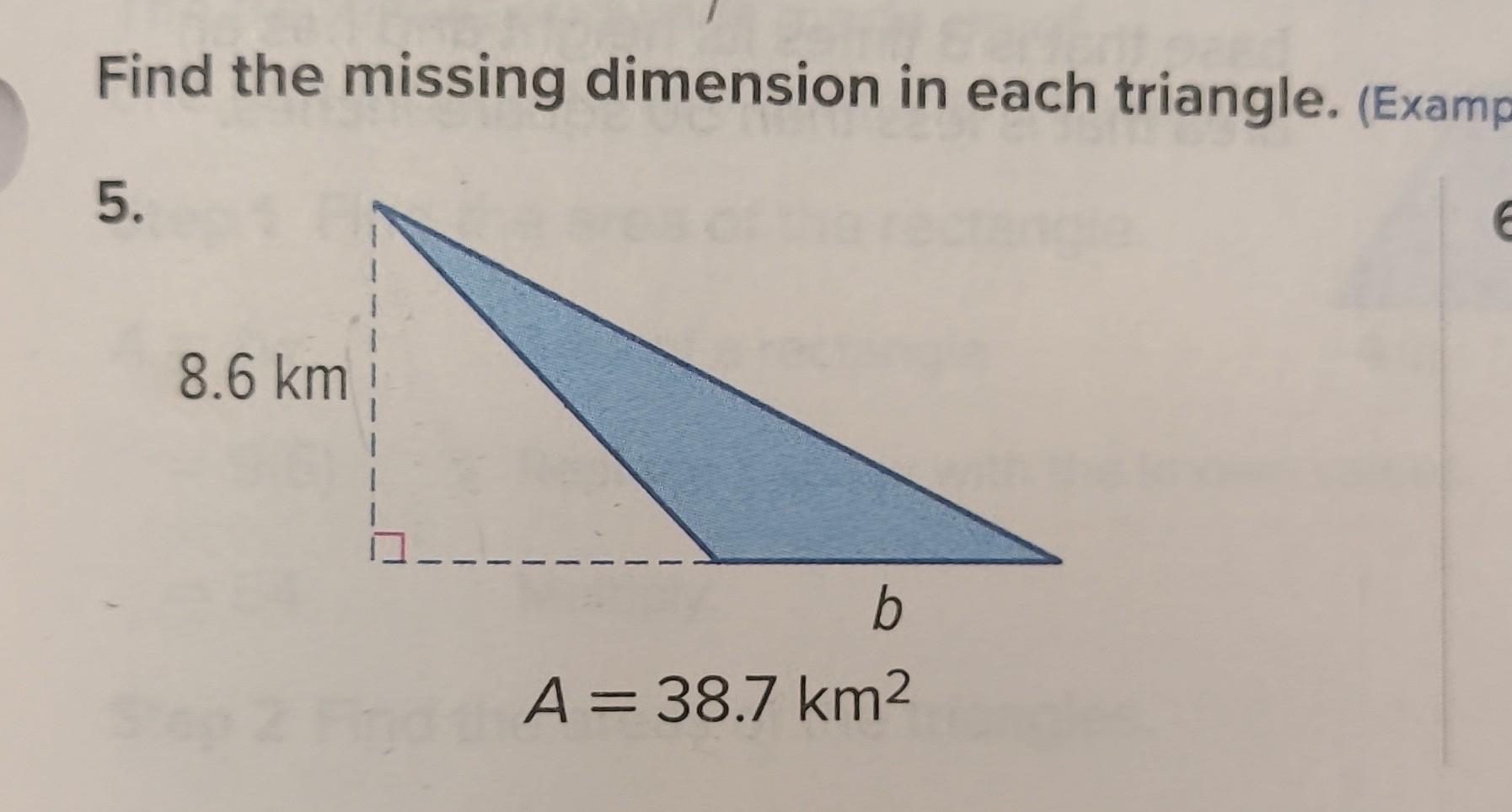
Think about how a simple piece of paper can be folded into an intricate origami crane. That's a transformation! Professor Sharma's discovery was akin to understanding the hidden "foldability" of the triangle, its capacity for deeper interaction with its surroundings. It wasn't about adding a new side or changing its angles in the traditional sense. It was about recognizing a fundamental characteristic that was always there, just waiting to be noticed.
This discovery didn't just sit in dusty academic journals. Oh no! It had a ripple effect. Suddenly, architects could design buildings that were more stable and aesthetically pleasing. Engineers could create stronger bridges. Even artists found new ways to express themselves, using the newfound understanding of triangles to create breathtaking works. It was a testament to the power of looking beyond the obvious, of asking "what if?" even when dealing with something as familiar as a triangle.

So, the next time you see a triangle, whether it's in a slice of watermelon or the peak of a mountain, remember Professor Anya Sharma and her delightful quest. Remember that even the simplest shapes can hold profound secrets, and that with a little curiosity and a willingness to explore the unseen, we can uncover new dimensions of wonder in the most unexpected places. It’s a reminder that the world is always full of surprises, just waiting for us to find them.