How Many Edges Of A Cuboid Meet In A Vertex
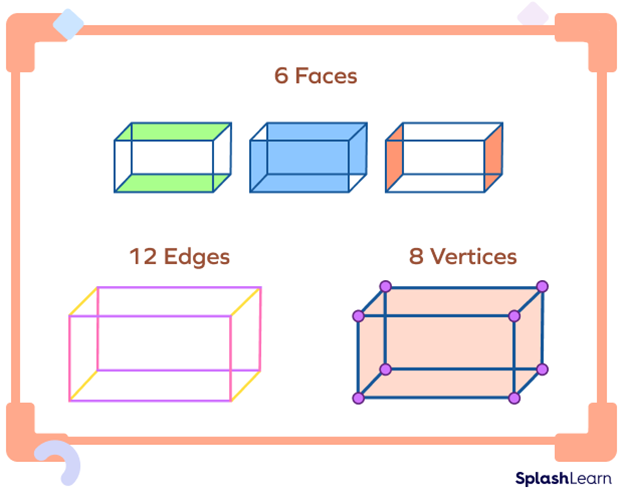
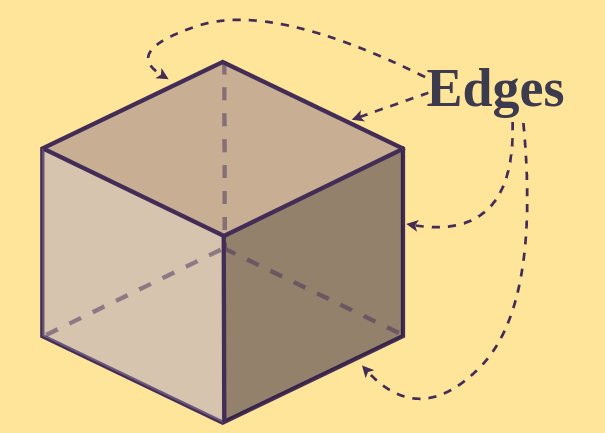
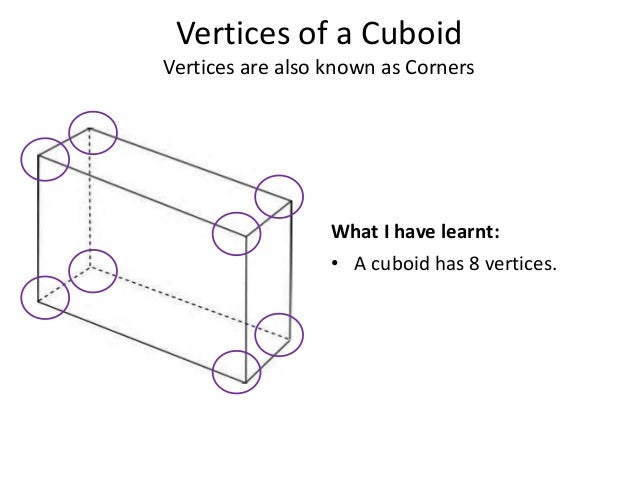
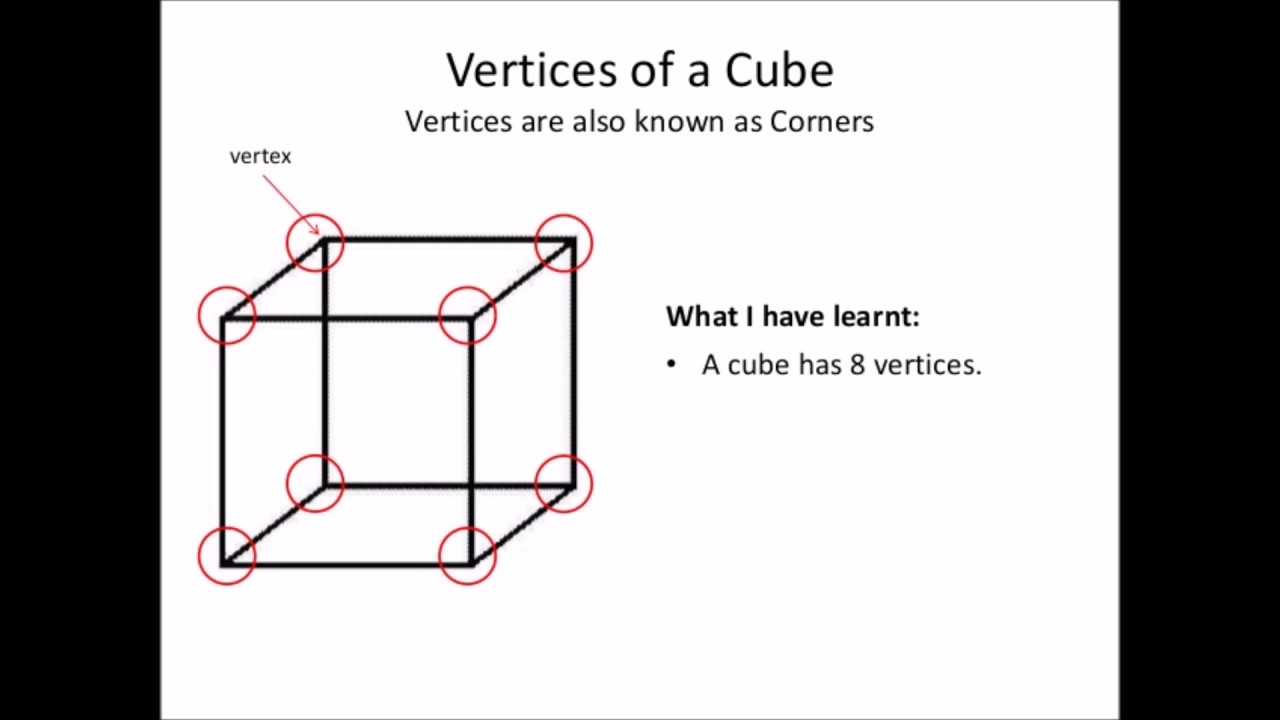
Ever found yourself staring at a box, a dice, or even just a perfectly squared room, and a little question pops into your head? It’s the kind of question that seems simple, almost too simple, but it opens up a whole world of geometric understanding. Today, we’re going to gently explore a fundamental property of shapes we see everywhere: how many edges of a cuboid meet at a vertex. It might sound niche, but understanding this is like learning a secret handshake with the world of three-dimensional objects!
Why bother with such a question? Well, it’s not just about abstract math. This little bit of knowledge is a stepping stone to appreciating the structure and stability of objects. Think about it: the way edges connect at corners dictates how a shape holds its form and how it can be built. It’s about understanding the underlying blueprint of the things around us. For educators, this is a fantastic gateway to introducing concepts of geometry, spatial reasoning, and even the basics of engineering and design. For curious minds, it’s simply about satisfying that innate desire to figure things out.
The benefits of grasping this concept are surprisingly broad. For kids, it’s a concrete way to learn about 3D shapes. They can touch, feel, and count. For older students, it’s a building block for more complex geometric theorems and calculations. In everyday life, recognizing this property helps in everything from packing a suitcase efficiently (knowing how corners fit together) to understanding how furniture is constructed. Even in video games and animation, developers rely on these fundamental geometric principles to create realistic virtual worlds. So, that simple question about edges and vertices? It’s the seed of understanding how things are put together.
Must Read
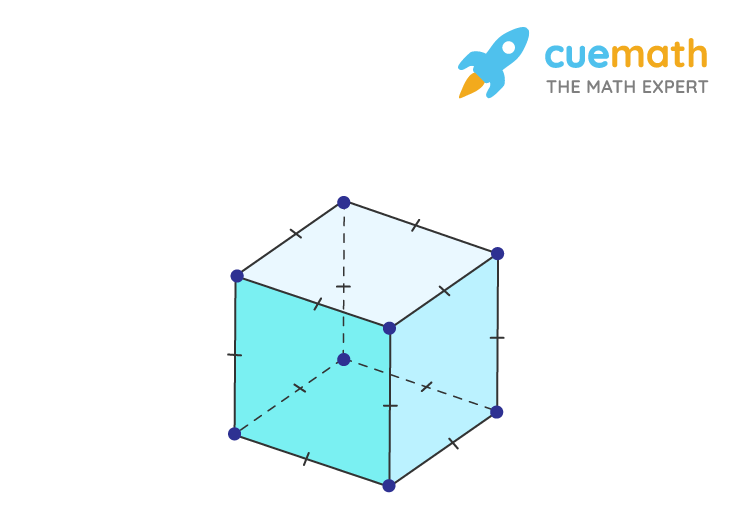
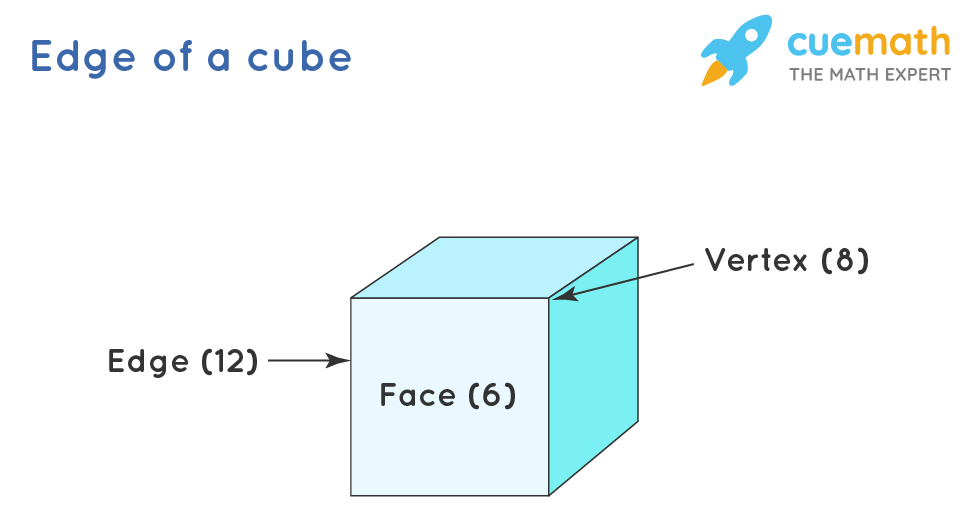
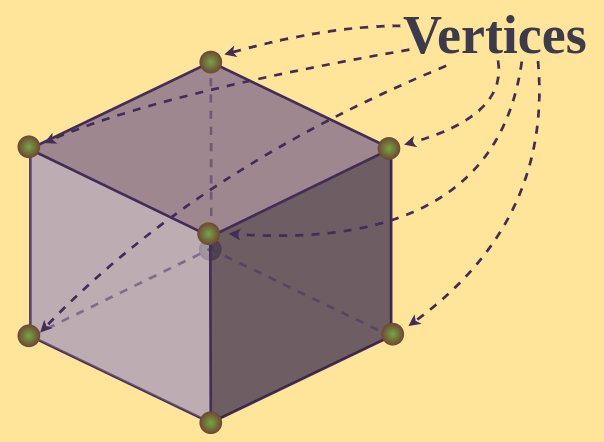
How can you explore this yourself? It’s wonderfully simple! Grab a box – any box will do. A cereal box, a shoebox, even a LEGO brick. Look at one of the corners, a vertex. Now, count the lines, the edges, that come together at that single point. You’ll notice they’re not just two lines; there’s a third one joining them. If you’re feeling more hands-on, you could even try building a cuboid using straws and connectors, or toothpicks and marshmallows. As you connect each piece, you’ll physically see and feel how three edges converge at each corner. Visualize it, touch it, count it. You can also look at dice – each corner is a perfect example. The more you practice, the more intuitive it becomes.
So, the next time you see a cuboid, take a moment. Admire its form, and remember that at each and every corner, exactly three edges are coming together, creating that strong, stable point. It’s a small piece of knowledge, but it’s a fundamental truth about the 3D world we inhabit, and a delightful little discovery to make.