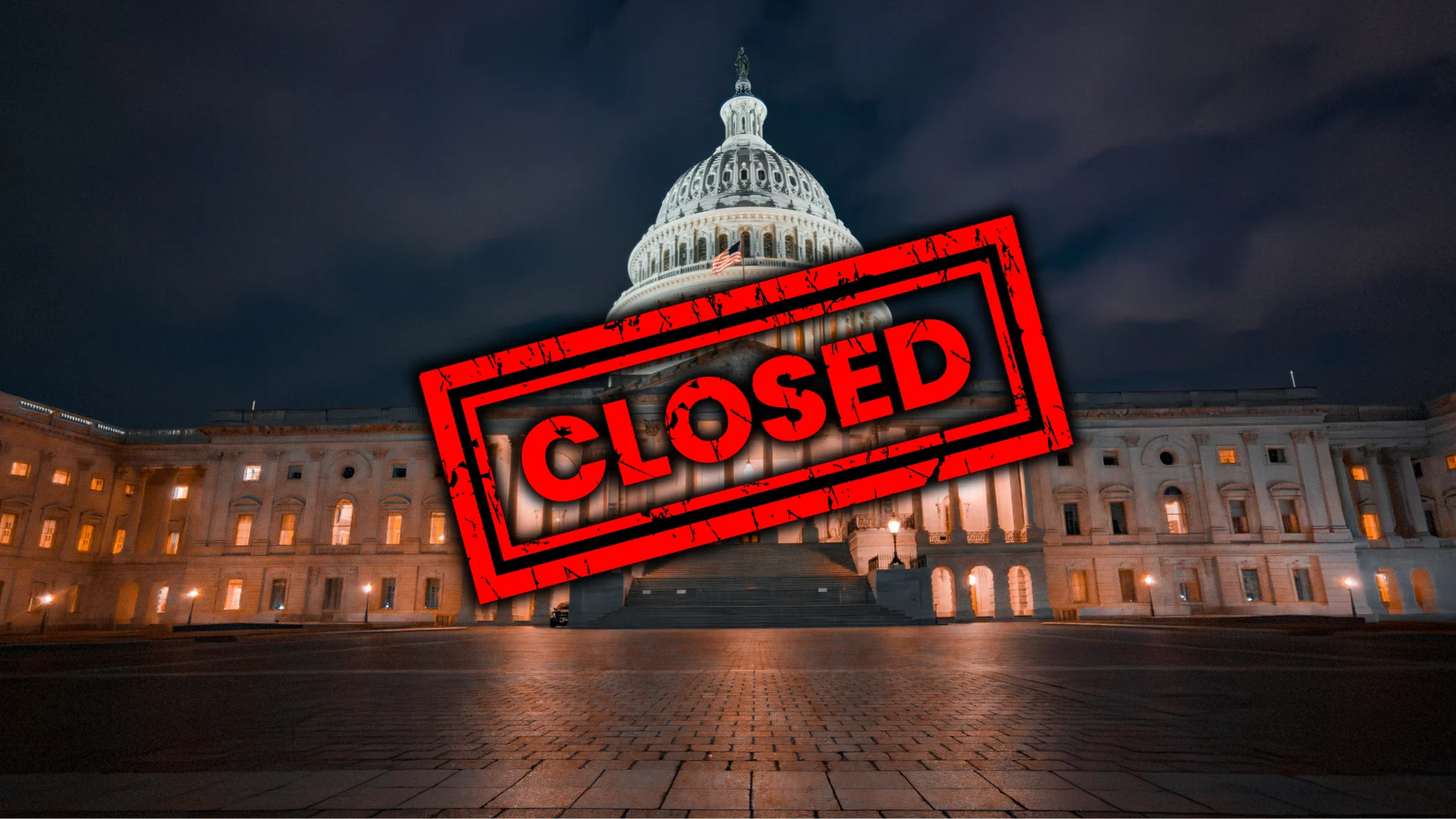
The 43-day Government Shutdown: Analyzing The Economic Cost Of The Fall 2025 Deadlock

Ah, the thrilling world of government budgeting! It might not be as exhilarating as a skydiving adventure or as delicious as a perfectly baked chocolate cake, but understanding how our government spends – and sometimes doesn't spend – money is surprisingly relevant to our everyday lives. Think of it as the ultimate, high-stakes board game, where the pieces are taxpayer dollars and the rules are dictated by Congress. And just like any good game, sometimes things get a little… stuck.
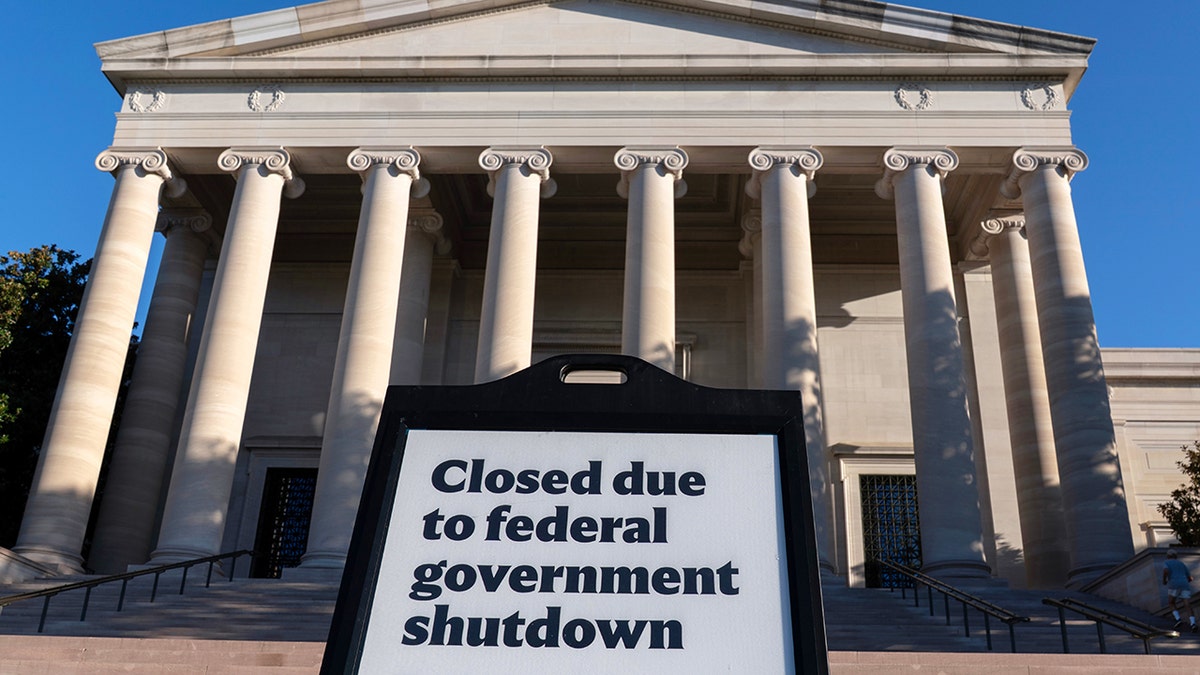
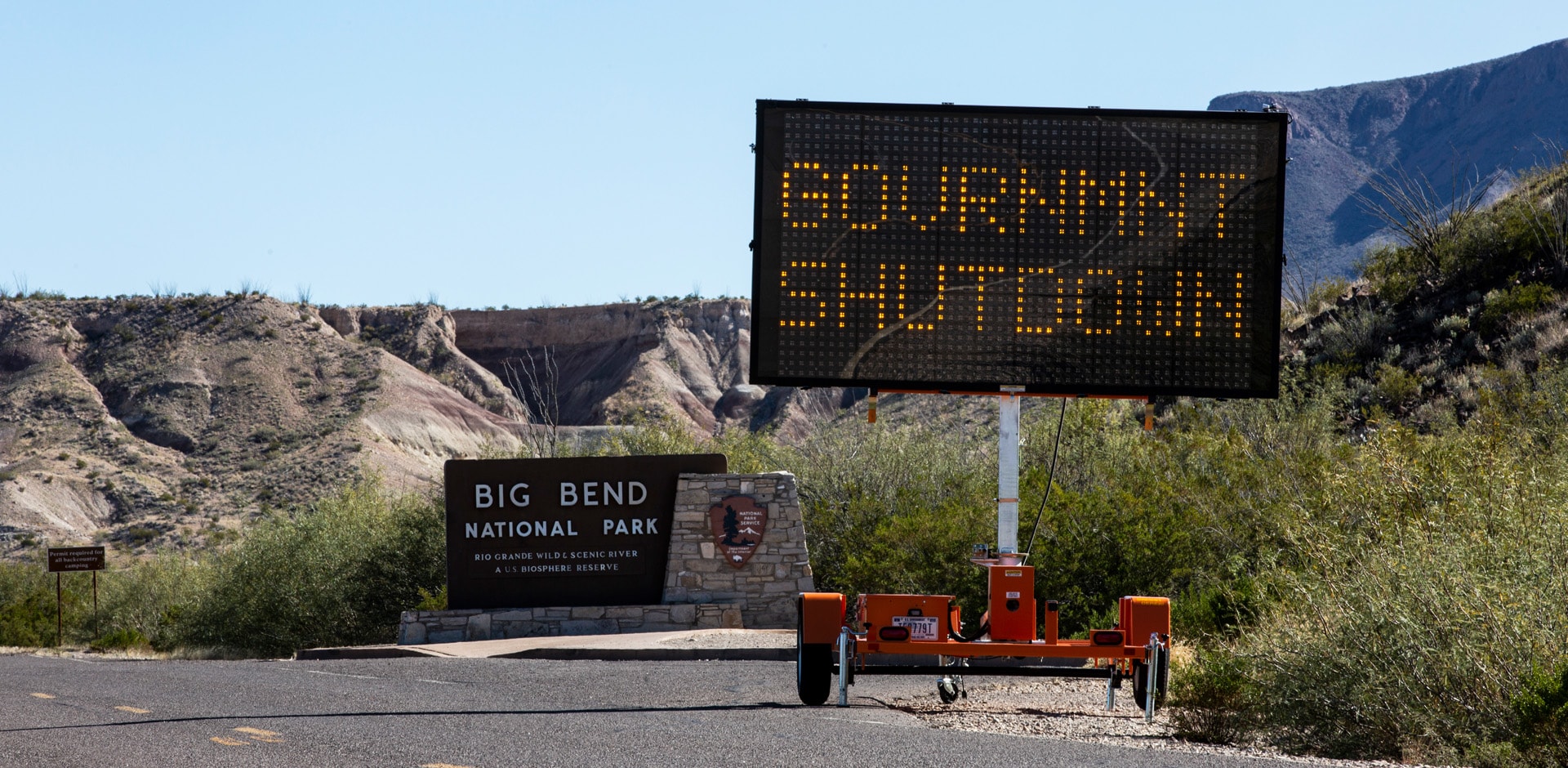
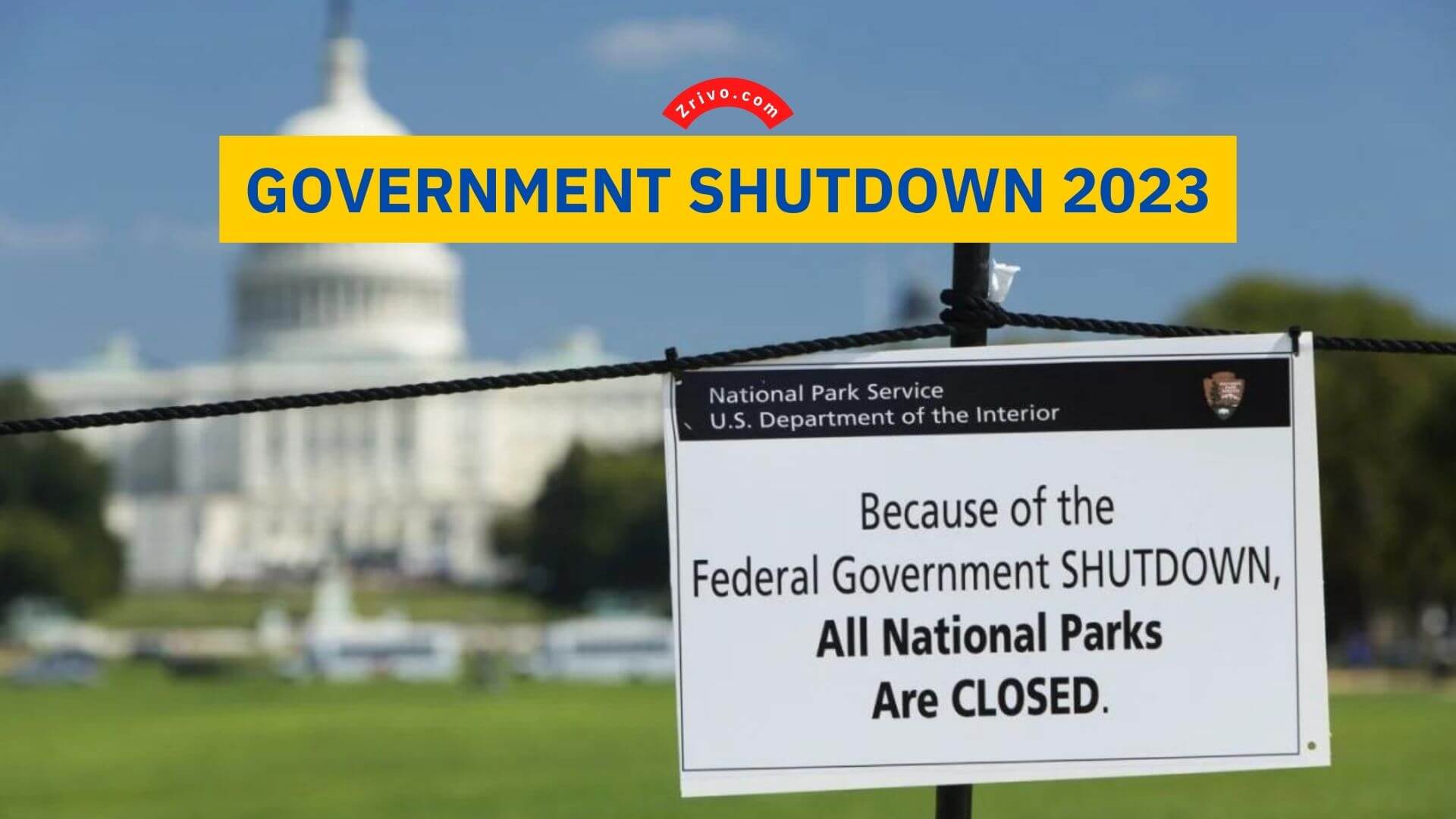
This brings us to the rather dramatic (and for many, quite frustrating) event of the 43-day government shutdown that gripped the nation in the fall of 2025. While it might sound like a distant political squabble, the economic ripple effects were felt far and wide. So, why should you care about a legislative deadlock? Because government funding directly impacts the services and opportunities we all rely on. From national parks being closed, potentially hindering your weekend hiking plans, to delays in crucial regulatory approvals that could affect the launch of new technologies or medicines, the consequences are tangible.
The purpose of this budgeting process, the very thing that ground to a halt, is to allocate funds for everything from national defense and infrastructure projects to scientific research and social programs. It’s the engine that keeps many essential services running. When that engine sputters and dies for 43 long days, the impact is more than just a temporary inconvenience. It’s a significant economic cost, measured in lost productivity, delayed projects, and a general sense of uncertainty that can dampen business investment. Imagine a small business owner delaying a crucial expansion because they can't get a permit, or researchers seeing their groundbreaking work paused due to lack of funding – these are real-world scenarios.
Must Read
The economic fallout is multifaceted. We saw furloughed federal workers, who, despite not working, still had bills to pay, impacting local economies where they spend their wages. There were also lost revenues for businesses that depend on government contracts or services, like tourism operators near national parks. Economists estimate the cost of the 2025 shutdown to be in the billions of dollars, a stark reminder of how interconnected our economy is with the smooth functioning of government. This isn't just about abstract numbers; it's about the opportunity cost – what else could that money have been used for?
So, how can we, as citizens, better navigate and even learn from these periods of budgetary deadlock? Firstly, stay informed. Understand the basic mechanisms of government funding and the issues at play. Secondly, support and engage with organizations that rely on government funding, whether it's a local museum or a national environmental group. They often bear the brunt of these shutdowns. Finally, and perhaps most importantly, advocate for responsible fiscal management. While political compromise is tough, a prolonged shutdown is rarely in anyone's best interest. Think of it as ensuring the game board remains intact so everyone can continue to play fairly. A well-funded government, like a well-oiled machine, serves us all better.