Wall Street Stocks Fall Early Friday As Disappointing Gdp Data Rattles Investors

Alright, so imagine this: it's Friday. You've been counting down the minutes like a kid waiting for Santa. Your brain's already on weekend mode, picturing yourself on the couch, maybe with a questionable snack, absolutely zero work thoughts allowed. Then, BAM! The news hits. And the news, my friends, is that Wall Street, that big ol' place where grown-ups in suits make serious money moves, is looking a bit… glum. Like someone just told them the last slice of pizza is gone. And why? Because some fancy numbers about how much stuff we made (that's GDP, by the way, Gross Domestic Product – try saying that ten times fast) weren't as zesty as everyone hoped.
Think of it like planning a killer barbecue. You've got the perfect playlist, you've invited all your favorite people, and you're imagining perfectly grilled burgers. But then, the weather report comes in: "Uh, yeah, about that sunshine… it's gonna be more like a drizzle. And maybe a rogue gust of wind that steals your napkins." Suddenly, that excitement deflates faster than a cheap party balloon. That's kind of what happened to Wall Street. They were all geared up for a booming economic party, and the GDP data showed up looking a little… underdressed and slightly damp.
So, what exactly is this "GDP" thing that's got the money mavens in a tizzy? Basically, it's like the report card for the entire country's economy. It measures how much goods and services we've produced. If GDP is up, it means we're all busy making, selling, and buying stuff. Think of it as a giant, nationwide game of Monopoly where everyone's buying properties and paying rent. It's a sign that things are generally chugging along nicely, people have jobs, and businesses are making a decent buck.
Must Read
But this week's report card? It wasn't exactly an A+. It showed that the economy grew, but slower than everyone thought. It's like you aced your math test, but only got a C+ because you missed a couple of easy questions. For investors, who are basically people who have money and want it to make more money (a concept I can definitely get behind), this slower growth is a bit of a head-scratcher. It makes them wonder if things are going to be as profitable as they'd hoped.
When the GDP numbers aren't sparkling, it's like the economy's taking a sip of lukewarm water instead of a refreshing gulp of lemonade. Investors get a little antsy. They start thinking, "Hmm, if the economy isn't growing as fast, maybe my investments won't grow as fast either." And nobody likes the idea of their money taking a slow-motion elevator ride when they were expecting a rocket ship. So, what do they do? They start hitting the 'sell' button. It's like everyone at the barbecue suddenly remembers they have urgent, unexplained errands to run, and the party vibes fizzle out.
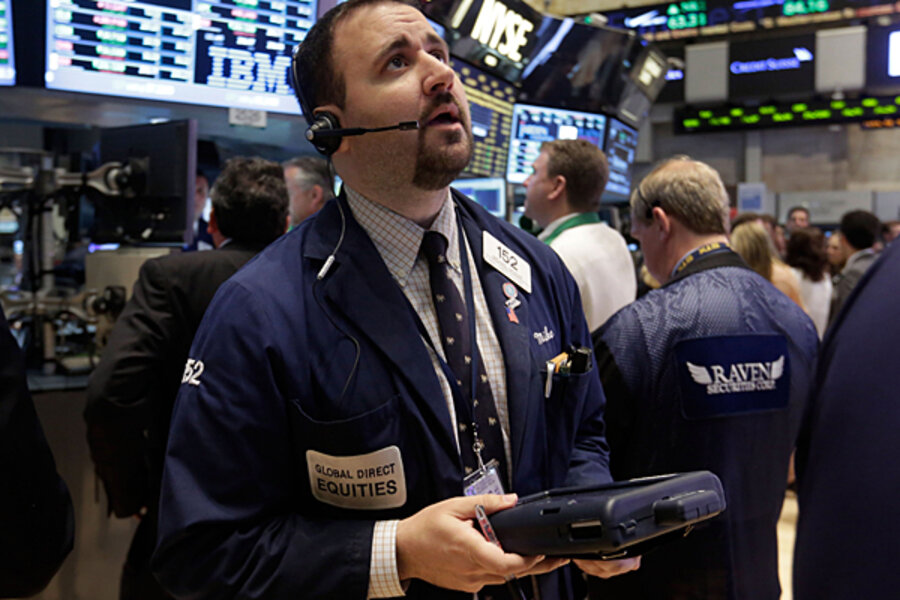
This "selling" frenzy can cause stock prices to dip. Stocks are basically tiny pieces of ownership in companies. When lots of people want to sell their pieces at the same time, and not as many people are eager to buy, the price of those pieces tends to go down. It's like that super popular toy everyone wants for Christmas. On release day, the price is sky-high. A few months later, when the hype dies down and there are plenty of them on the shelves, the price usually drops. Wall Street is just a really big toy store, and the economic news is the hype meter.
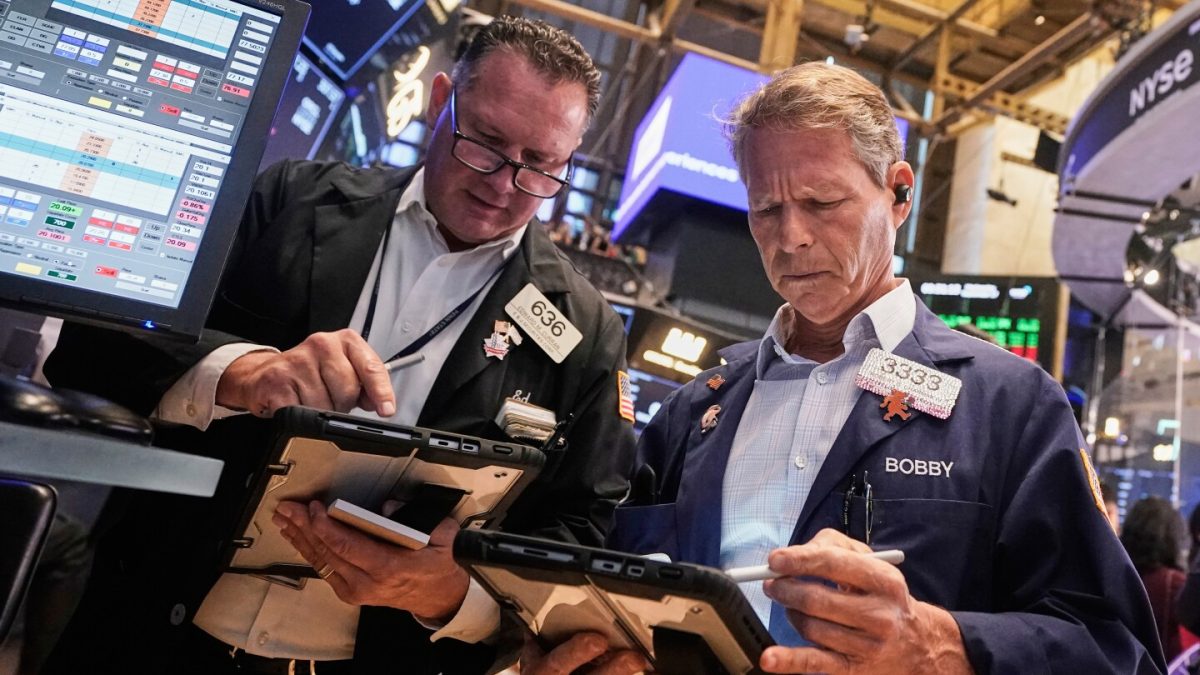
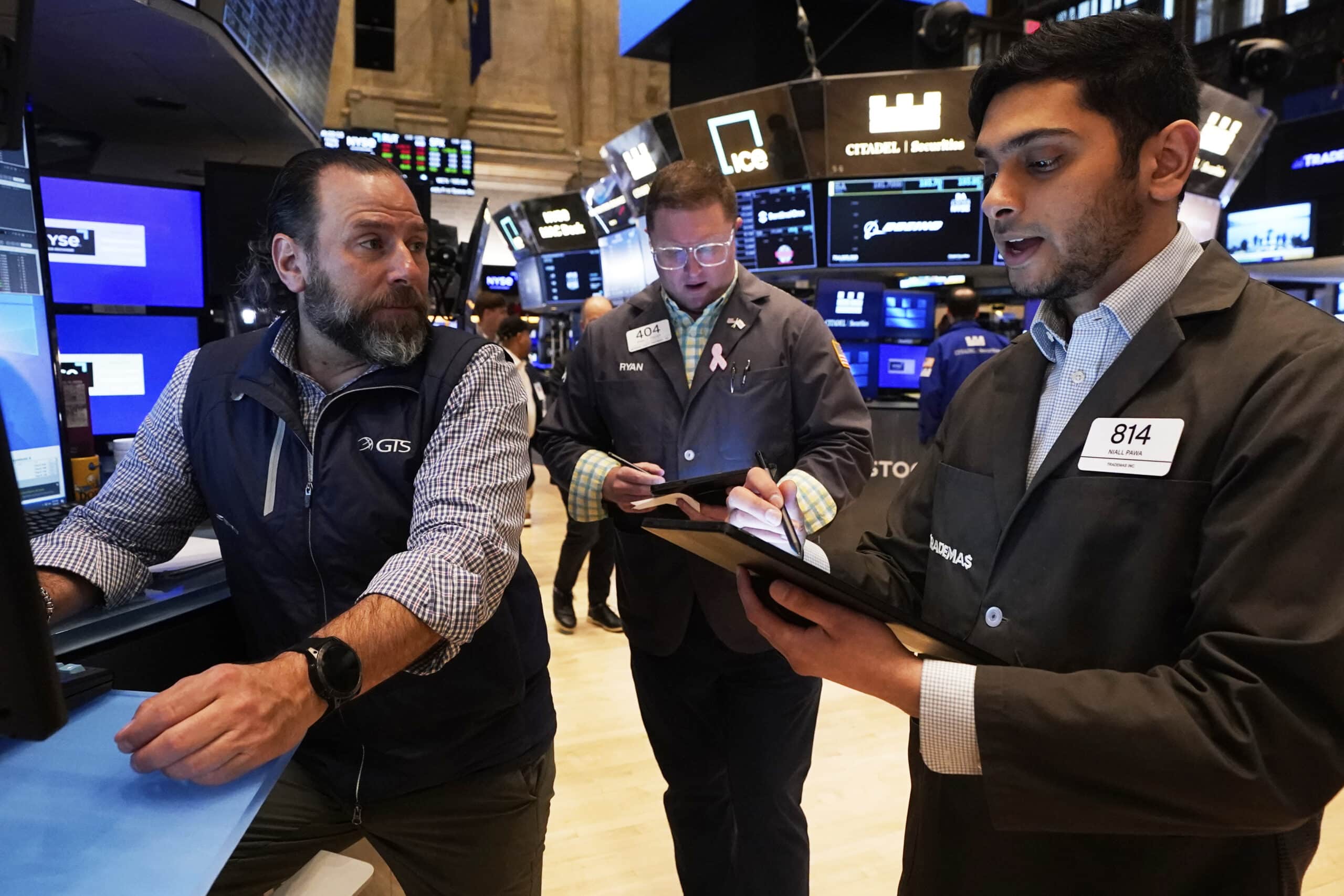
So, early Friday morning, as folks were probably still wrestling with their coffee makers and debating whether it was too early for a pastry, the stock market started looking a bit droopy. Major indexes – think of them as the overall health trackers for the stock market – started inching downwards. It's like seeing a bunch of your favorite athletes suddenly trip over their shoelaces. You just hope they don't get hurt.
The disappointing GDP data is like a little bit of bad news whispered in the ear of an already slightly nervous market. There have been a lot of ups and downs lately, with interest rates going up and down like a yo-yo on a trampoline, and inflation trying to do the cha-cha with our wallets. In this environment, any sign of the economy sputtering, even just a little, can make investors clutch their pearls and think, "Uh oh, maybe we should be a bit more cautious."

It’s important to remember that the stock market is a bit like a moody teenager. It reacts to all sorts of things, and sometimes its reactions seem a little over the top. A bit of slightly less-than-stellar economic news can be amplified by the collective mood of the investors. If everyone's feeling a bit glum, a little bit of glum news can feel like a lot of glum news. It’s the economic equivalent of stepping on a Lego brick in the dark – it feels way worse than it actually is.
Think about your own personal finances. If you're expecting a nice bonus at the end of the year, you might start mentally budgeting for that new gadget or a little getaway. But if your boss comes to you and says, "Hey, things are a bit tight, the bonus might be smaller than usual," your plans might change. You might decide to hold off on that big purchase, or at least temper your expectations. Investors do something similar, but on a much, much larger scale.

This isn't necessarily a sign of impending doom and gloom. It's more like a little speed bump on the economic highway. The economy is a complex beast, and it’s got its good days and its not-so-good days. Just like you don't declare your entire life over because you had a bad hair day, the economy doesn't fold its tents because one quarter's growth report isn't a chart-topper. It’s just a moment to pause, take a breath, and reassess.
For us regular folks, this might mean that the prices of things we want to buy might not skyrocket as quickly as we feared, or perhaps that some companies might be a bit more hesitant to expand and hire. On the flip side, it could also mean that the Federal Reserve might think twice before raising interest rates even further, which could make borrowing money for things like mortgages a little less painful. It's a mixed bag, really, like getting a gift you don't quite know how to use.
The key takeaway here is that the stock market is a reflection of expectations. Investors are constantly trying to predict the future, and when those predictions are challenged, things can get a bit wobbly. The disappointing GDP data simply provided a new piece of information that shifted those expectations, leading to a bit of a collective "meh" on Wall Street and a sell-off of stocks.
It’s also worth noting that Friday mornings can be particularly sensitive. Sometimes, as the week wraps up, traders are a little more cautious, wanting to avoid taking big risks before the weekend. So, when that GDP news dropped, it might have found a market that was already predisposed to a bit of caution, making the reaction even more pronounced. It’s like the last cookie in the jar – everyone wants it, and the competition gets a little fierce.
Ultimately, while Wall Street might be experiencing a bit of a collective sigh, for most of us, it’s just another news blurb to process. We’ll keep doing our thing, managing our budgets, and hoping for a good weekend. And who knows, maybe that slight dip in the market will mean that when you do decide to invest a little bit, you’ll be getting a slightly better deal. It's all about perspective, right? Like finding a perfectly good coupon that you forgot you had.
So, as you settle in for your Friday evening, remember that the world of finance is a bit like a dramatic soap opera. There are plot twists, unexpected turns, and characters reacting to events in real-time. Today's plot twist was a slightly less-than-thrilling economic performance report. But hey, there's always next week, and hopefully, the economy will be back to its energetic self, ready to surprise us all with some good news. Until then, let’s just enjoy the fact that it’s Friday, and the biggest decision we have to make is what to binge-watch. Now that's a GDP I can get behind!