What Can I Use To Ground My Electric Fence

Ever feel like your electric fence is a bit... dramatic? You know, that one spot that just won't deliver the proper zap to keep Fluffy the prize-winning poodle from making a break for it? It's like the fence is having a bad hair day, all the time!
Well, fear not, fellow fence wranglers! Today, we're diving headfirst into the glorious, and surprisingly simple, world of grounding your electric fence. Think of it as giving your fence a much-needed spa treatment, a little electrical pick-me-up to get it back in the game.
We're going to explore some super-duper, common-as-dirt things you can use to make sure your fence is humming along like a happy bumblebee on a summer afternoon. No need for fancy jargon or a degree in electrical engineering – we're keeping it real, folks!
Must Read
The Mighty Metal Rod: Your Fence's Best Friend!
First up, the undisputed champion of grounding: the humble yet mighty metal rod! You've seen them, you've probably tripped over them – they're everywhere!
Imagine a tall, slender knight, ready to stand guard and absorb all the electrical drama. That’s your metal rod. It’s the ultimate bouncer for your fence's electrical party, ensuring everyone stays where they’re supposed to be.
Seriously, these things are the workhorses of the grounding world. They plunge deep into the earth, making a solid connection that’s as reliable as your grandma's Sunday roast.
Now, when we talk about these metal rods, we're usually looking for something that's made of galvanized steel. Why galvanized? Because it’s like giving the rod a superhero suit that protects it from rust and corrosion. We want our grounding hero to last, right?
You can find these bad boys at pretty much any place that sells farm or fencing supplies. They come in different lengths, so you can pick the one that best suits your soil's personality. Deeper is generally better, like a good mystery novel!
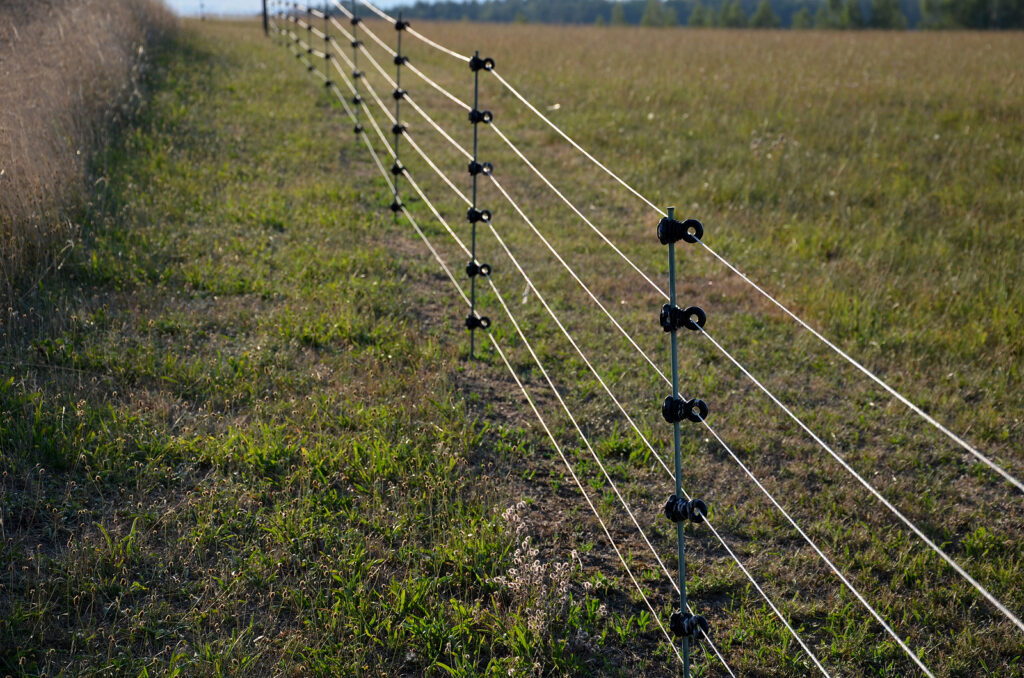
And the best part? They're super easy to install. You just need a bit of elbow grease and maybe a friendly neighbor to hold the flashlight. Bam! Your fence has a new grounding buddy.
Wire: The Energetic Connection!
But a metal rod isn’t much good on its own, right? It needs a way to talk to your fence. That’s where grounding wire comes in, the energetic messenger!
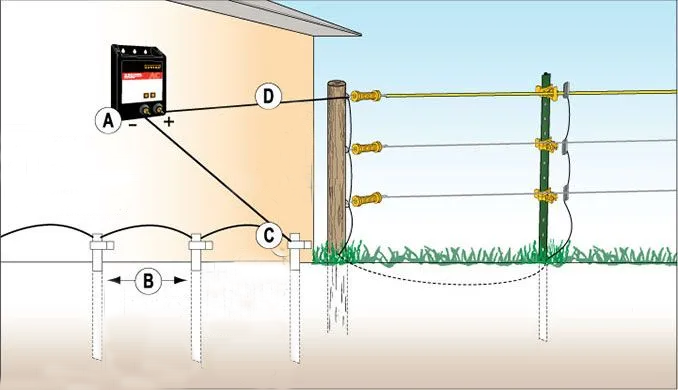
Think of the grounding wire as the phone line connecting your grounding rod to your electric fence energizer. It's the crucial link that allows that beautiful electrical flow to do its job properly. Without it, your grounding rod is just a lonely metal stick in the dirt.
You want to use wire that's specifically designed for grounding. It’s usually a thick, tough wire that can handle the electrical demands. We’re not talking about your knitting yarn here, folks!
Copper wire is another superstar in this department. Copper is a fantastic conductor of electricity, meaning it lets the power flow through with hardly any fuss. It’s like a superhighway for your fence's electricity.
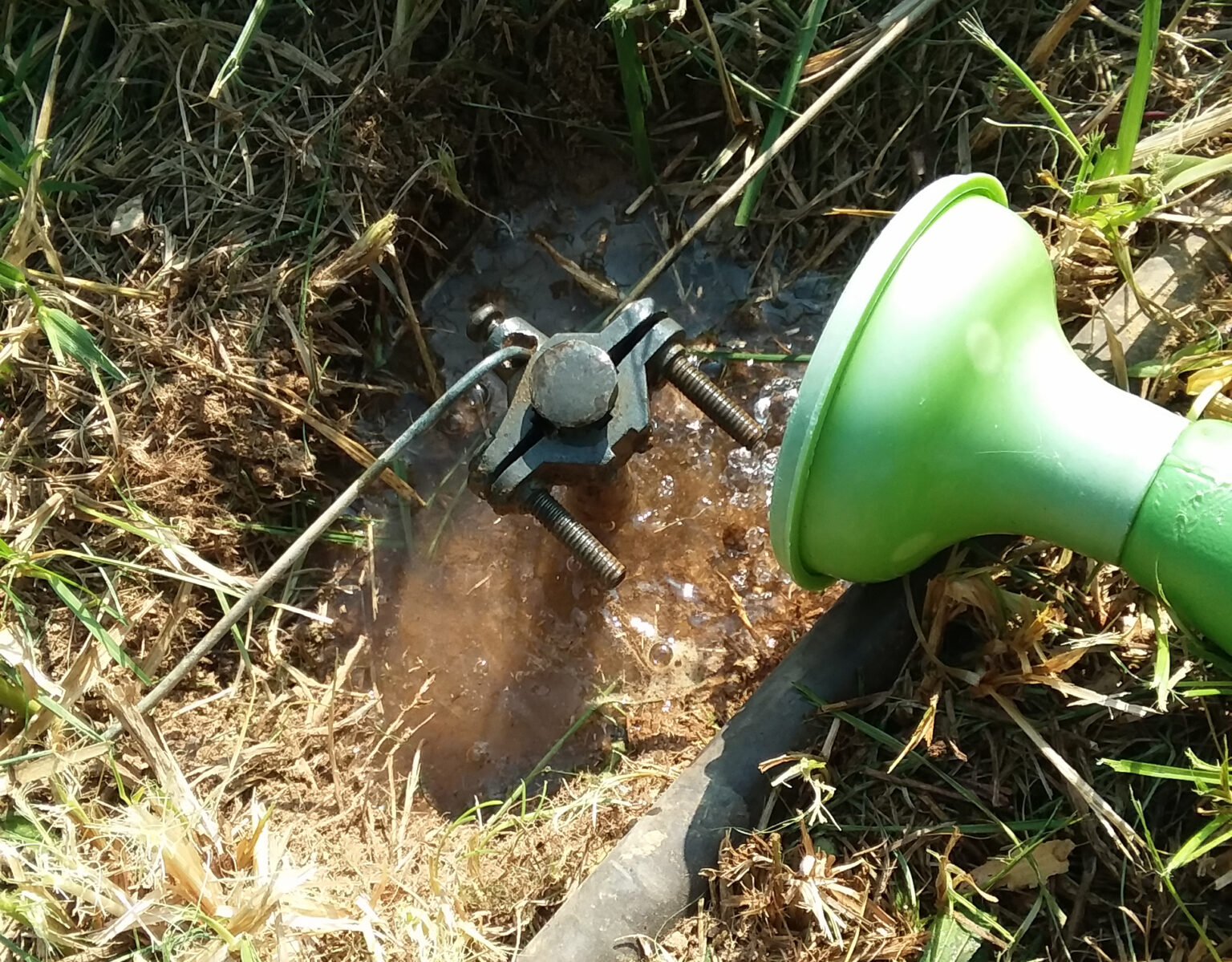
When you connect this wire, you want a good, solid connection. Think of it as a firm handshake – no wobbly bits allowed! You can use special clamps or connectors designed for this purpose. They’re like the little gadgets that make sure your phone line stays plugged in.

This wire connects your grounding rod directly to your electric fence energizer. That’s the heart of the whole operation, the thing that makes the fence go buzz!
Old Plumbing Pipes: A Surprisingly Good Idea!
Now, let's get a little creative, shall we? Ever replaced some old plumbing pipes and wondered what to do with them? Surprise! They can be surprisingly good grounding rods.
That's right! If you’ve got some sturdy old metal plumbing pipes lying around, they can absolutely do the trick. They’re already made of metal and have a good length to them.
Just make sure they're in decent condition. You don’t want a pipe that's full of holes and looking sad. We need something robust, something that’s seen a bit of life and is still ready for action.
You’ll want to bury them deeply into the ground, just like you would with a dedicated grounding rod. The deeper, the better the connection. Think of it as giving the pipe a good, long hug from the earth.

Again, the key is that it's metal and it can be driven into the ground. It’s all about making that direct contact with Mother Earth, the ultimate grounding force!
Rebar: The Reinforcing Warrior!
Another common hero you might find lurking in the construction world is rebar. You know, those ribbed metal bars that give concrete its strength? They’re not just for buildings anymore!
Rebar is basically just a really strong metal rod. It's designed to be tough and durable, which are excellent qualities for a grounding rod. It’s like the muscle-bound friend who’s always got your back.
You can use lengths of rebar to create your grounding system. Just like the other options, you’ll be driving these into the earth. The ribbed texture might even give it a little extra grip on the soil!
Make sure you get a good length of it, and again, depth is your friend. The more of the rebar that's in contact with the soil, the better your fence will perform. It's all about creating a robust connection.
It’s a fantastic and readily available option if you happen to have some lying around or can easily source it. It’s a win-win for your fence and your wallet!

The More the Merrier: Multiple Ground Rods!
Now, here's a little secret that the electric fence gurus whisper about: sometimes, one grounding rod just isn't enough! If your soil is particularly dry, or if you have a really long fence line, you might need a grounding posse.
Think of it like this: if you have a really big party, you need more than one bouncer at the door, right? The same applies to your fence. A single grounding rod might get overwhelmed.
So, for extra oomph and reliability, you can install multiple grounding rods. You'll space them out, usually about 10 feet apart, and connect them all together with your grounding wire. This creates a super-grounding network!
This is especially important in areas with poor conductivity. Imagine trying to get a good signal on a rainy day – sometimes you need an extra antenna! Multiple rods are like adding extra antennas for your fence.
It might sound like a lot of work, but trust me, a well-grounded fence is a happy fence. And a happy fence means your animals are safe and sound, and you can sleep soundly at night. That, my friends, is worth its weight in gold!
So, there you have it! A whirlwind tour of the simple, effective, and surprisingly accessible ways to ground your electric fence. From mighty metal rods to repurposed plumbing, the earth is your oyster when it comes to providing that essential grounding connection. Now go forth and electrify responsibly, and with a perfectly grounded fence!