What Is The Slowest Healing Bone In The Body
Ever wondered about the unsung heroes of your body? We’re talking about your bones – those sturdy structures that keep you upright and ready for adventure. While most of them are pretty quick to bounce back when they get a little dinged up, there’s one particular bone that takes its sweet time getting back to its old self.
Imagine a tiny, almost insignificant bone, nestled deep within a place you might not even think about much. This is where our slowpoke resides. It’s not a big, beefy bone like your thigh bone, or even one you hear about often, like your wrist bones.
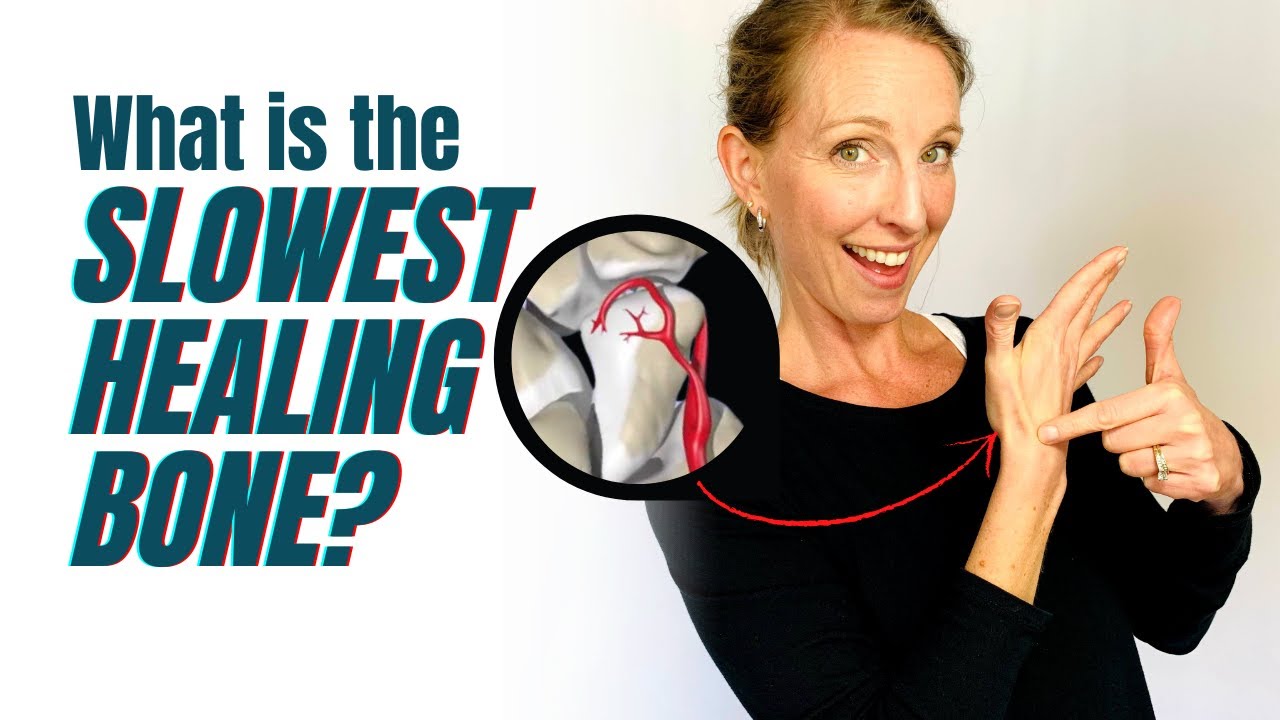
This little fella is the scaphoid bone. Ring any bells? Probably not, and that’s perfectly okay! It’s a bit of a shy character, hiding out in your wrist. Think of it as the quiet, introverted friend in a boisterous group, always observing but rarely the center of attention.
Must Read
Now, why is the scaphoid such a slow learner when it comes to healing? It all comes down to its rather peculiar blood supply. Bones, like all living tissues, need a constant flow of blood to repair themselves. Blood brings in the oxygen and nutrients essential for rebuilding.
The scaphoid, bless its heart, has a bit of a complicated plumbing system. The blood vessels that nourish it enter at specific points, and when the bone breaks, some of these crucial pathways can be easily disrupted. It’s like a busy city intersection suddenly losing a few key roads – traffic gets snarled, and deliveries get delayed.
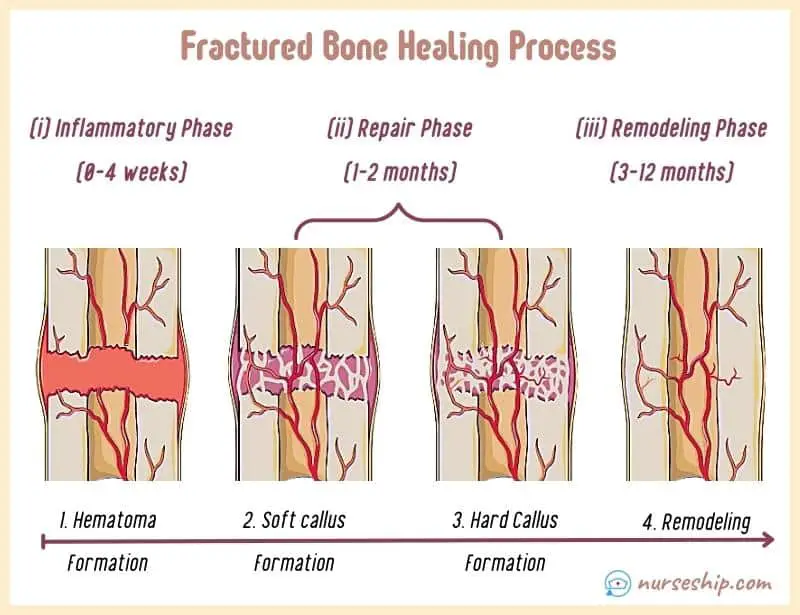
This means that even a relatively minor fracture in the scaphoid can take ages to mend properly. We're talking weeks, sometimes months! While other bones might be shouting "I'm all better!" after a few weeks, the scaphoid is still whispering, "Almost… just give me a little more time."
So, what kind of mischief leads to a scaphoid injury? Usually, it’s a fall onto an outstretched hand. You know that instinctive motion you make when you’re about to tumble? Your hand goes out to break your fall. It's a fantastic reflex, but it can put a lot of stress on those small wrist bones.
Think of all the times you've done that – playing sports, slipping on ice, or just having a clumsy moment. Your scaphoid has probably endured its fair share of dramatic landings, often without a peep.
The surprising part is how easily a scaphoid fracture can be missed. Because it's small and the pain might not always be screamingly obvious at first, people sometimes brush it off as a sprain. This is where our slowpoke friend really tests your patience, and the patience of the medical professionals trying to help it heal.
If a scaphoid fracture isn't diagnosed and treated correctly, it can lead to some long-term problems. The poor blood supply can mean that the bone doesn't get enough to heal at all, a condition called nonunion. Imagine the bone just… giving up on trying to knit itself back together. How disheartening!
Another concern is avascular necrosis. This is a fancy term that essentially means the bone tissue is dying because it's not getting enough blood. It’s a bit like a plant wilting because it hasn't been watered. Sad, but preventable.
Because healing takes so long, you’ll often find yourself in a cast for a good chunk of time. This isn’t just a quick wrap; it's a serious immobilisation to give the scaphoid the best possible chance to recover. It means saying goodbye to a lot of everyday activities for a while.
Imagine trying to do simple things like typing, cooking, or even holding a cup of coffee with a cast up to your elbow. It’s a challenge that can test anyone’s spirit, but it’s all in service of helping that little scaphoid bone get back on its feet, or rather, back on its… well, back to being a solid bone!
This is where the heartwarming part comes in. Think about the people who support you during these times. Friends and family who help with tasks you can't manage, offering encouragement when you feel frustrated. It’s a reminder that even when a part of us is struggling to heal, we're rarely alone in the process.
The humor often comes from the sheer absurdity of the situation. Trying to open a jar with one hand, or attempting to eat spaghetti with a fork held in your less-than-dominant hand. These everyday struggles become comical adventures, and sometimes, laughter is the best medicine, even for a slow-healing bone.
So, the next time you’re reaching for something, or gripping a tool, or just flexing your hand, take a moment to appreciate your scaphoid bone. It’s a silent workhorse, a tiny soldier in the grand army of your skeleton, and it deserves a little recognition for its resilience.

While it might be the slowest healer, its eventual recovery is a testament to the incredible, intricate, and sometimes wonderfully stubborn nature of the human body.
It’s a reminder that sometimes, the most important things take the most time. And that even the smallest parts of us are capable of great strength and recovery, with a little patience and a lot of support.
So, here’s to the scaphoid bone – the slow but steady champion of the wrist!
Remember, while we’re keeping things light and fun, if you suspect a bone injury, it’s always best to get it checked out by a medical professional. They’re the real superheroes when it comes to getting your bones back in tip-top shape!

But for now, let’s give a little nod of appreciation to this unsung hero. It’s the quiet achiever, the marathon runner of the bone world, proving that good things, even very good things, can come to those who wait.
And who knows, maybe understanding the scaphoid’s slow journey to recovery can even help us be a little more patient with ourselves when we’re going through our own tough times. After all, we all have our own little scaphoids that need time and care to heal.
So let's raise an imaginary glass (carefully, with the non-injured hand, of course!) to the scaphoid bone. It may be slow, but it’s a trooper, and its story is a surprisingly fascinating one.
It’s a tiny bone with a big story to tell about the complex and amazing ways our bodies work.
And that, in its own slow-healing way, is pretty darn cool.