Big Bang Theory Hubble's Law Gizmo Answers
Ever feel like your life is expanding at an alarming rate? Like, one minute you're just trying to figure out what to have for lunch, and the next you're juggling a gazillion new responsibilities? Well, guess what? The entire universe felt that way too, and we’ve got a pretty neat explanation for it, all thanks to a few brilliant minds and a gizmo that’s basically the cosmic equivalent of a measuring tape. We’re talking about the Big Bang Theory, Hubble's Law, and those super helpful answers you can get from the Gizmo. Stick around, it’s going to be a fun ride!
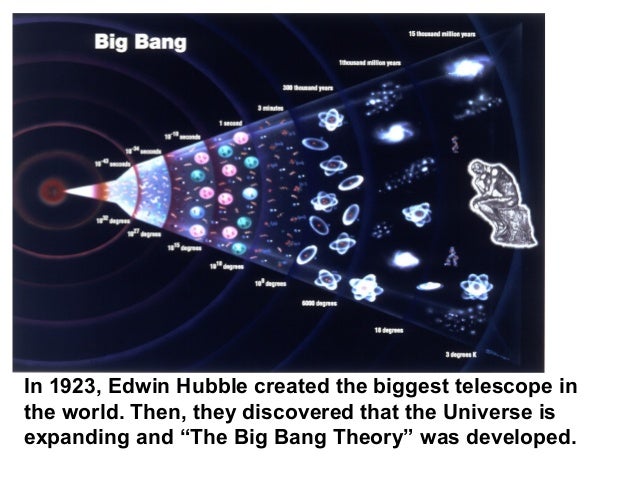
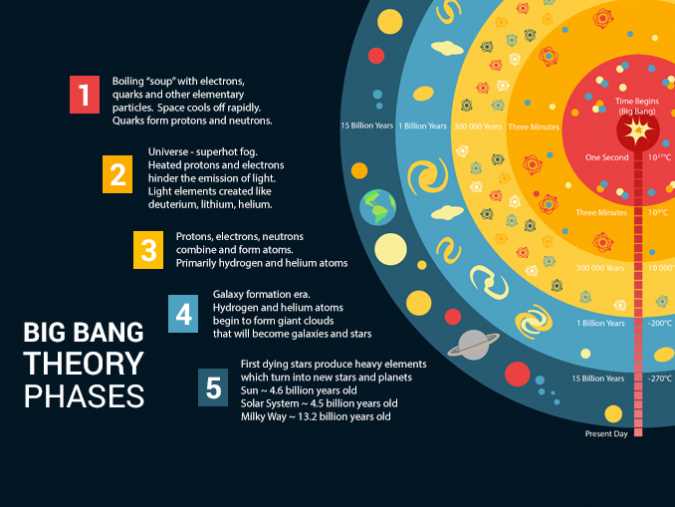
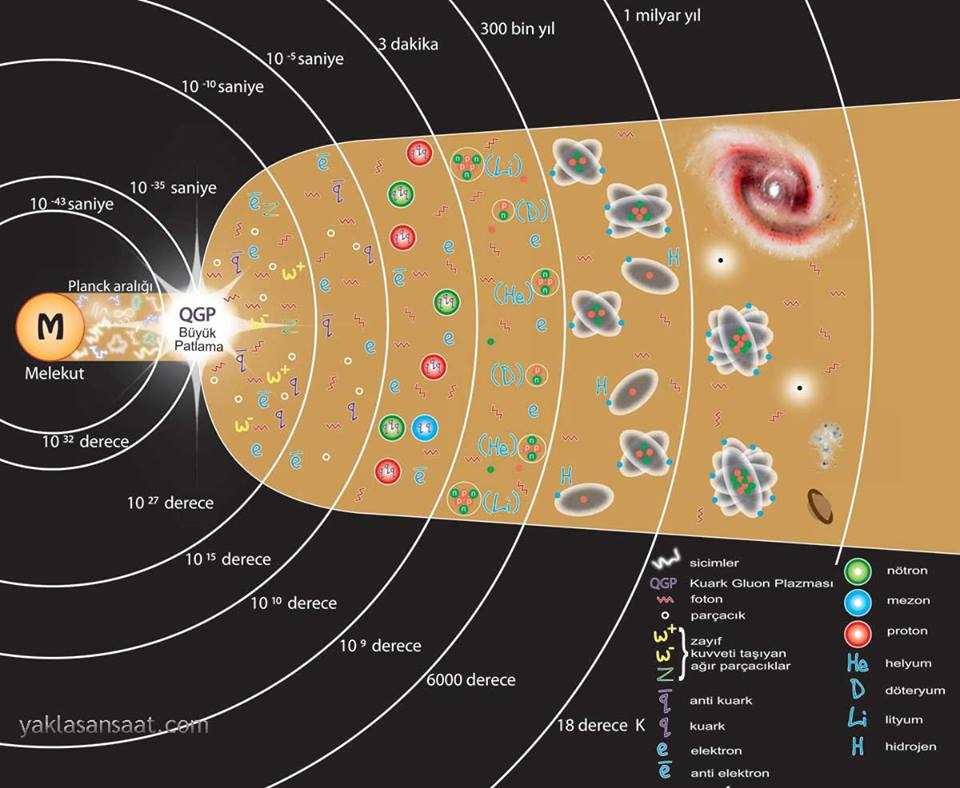
Imagine you’re at a really crowded concert. Everyone’s packed in like sardines, right? Now, picture the music starting, and suddenly everyone gets this urge to move. Not necessarily to leave, but just to… expand. They start taking a step back, then another, and soon the whole crowd is a little more spread out. That’s kind of what the universe did, but on a scale that would make your brain do a little jig. Before everything got so… everything, it was all packed into a ridiculously tiny, hot, and dense point. Like, smaller than the period at the end of this sentence. And then, BAM! The Big Bang happened. It wasn't an explosion in space, but an explosion of space itself. Think of it less like a firecracker going off in your living room and more like your living room suddenly inflating itself into a mansion. Wild, right?
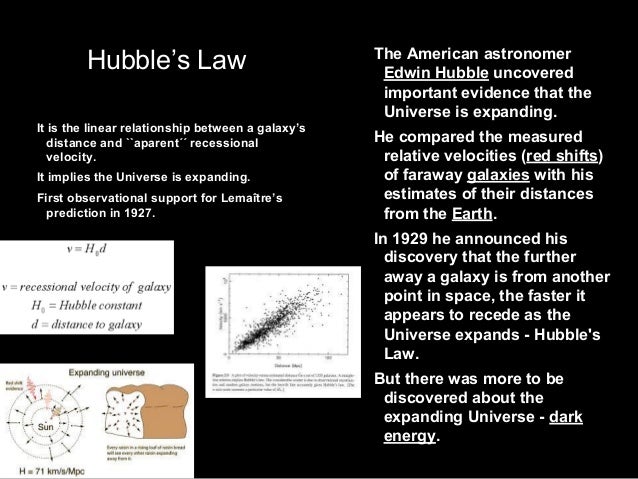
Now, how do we know this cosmic inflation party is still going on? Well, that’s where our buddy Edwin Hubble comes in. This guy was like the ultimate cosmic detective. He spent his days staring through incredibly powerful telescopes, which were basically the iPhone 15 Pro Maxes of their time, but for stars. He noticed something super peculiar: almost every single galaxy he looked at seemed to be moving away from us. And it wasn't just a little scootch; some were really zooming!
Must Read
But here’s the kicker, and this is where it gets truly mind-bending: the farther away a galaxy was, the faster it was moving away from us. It’s like at that concert, the people right next to you might just take a small step back, but the folks way over on the other side of the stadium are practically sprinting for the exits. This observation, my friends, is the heart of Hubble’s Law. It’s the universe’s way of saying, "Yup, still expanding, and the further out you look, the more enthusiastic the expansion gets!"
Think of it this way: you’re baking a raisin bread. As the dough rises, all the raisins move further apart from each other. A raisin that’s only a little bit away from another one will only move a little bit further. But a raisin that’s way across the dough? It’s going to end up miles away, relatively speaking. And if you were one of those raisins, it would look like all the other raisins were moving away from you, no matter which one you picked. See? It’s not just you being the center of the universe; it’s the space between things that’s stretching.

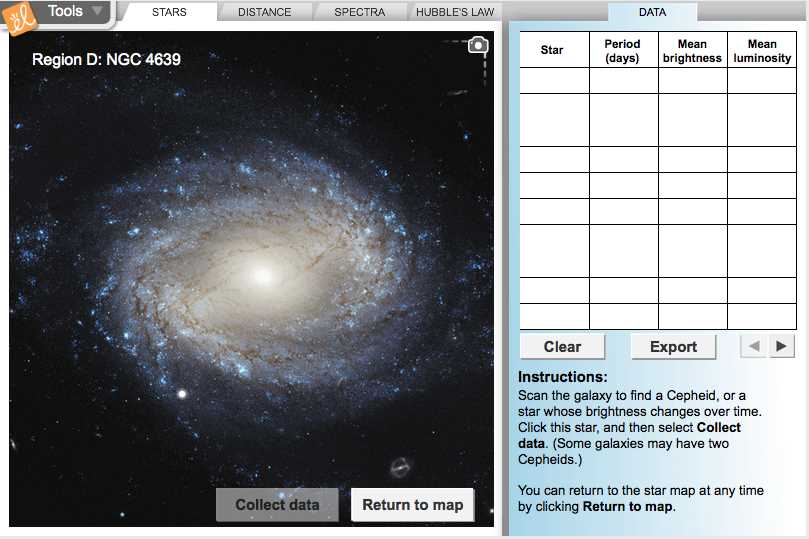
So, what’s this mysterious Gizmo we keep mentioning? Well, in the world of science education, a "gizmo" is often a super cool, interactive online tool. Think of it like a virtual sandbox for understanding complex scientific ideas. For the Big Bang Theory and Hubble's Law, these gizmos are like having a mini-universe simulator on your computer. You can play around with different scenarios, adjust variables, and see how the universe behaves. It’s way less messy than actual astrophysics, let me tell you.
When you’re tackling questions about the Big Bang Theory or Hubble’s Law, the gizmo is your secret weapon. It's like having a cheat sheet for cosmic expansion. You can often input data, like how far away galaxies are and how fast they're moving, and the gizmo will help you visualize the relationship – that lovely linear correlation that Hubble discovered.
For instance, a typical gizmo might show you a series of dots representing galaxies. You can then assign them distances and velocities, or even let the gizmo generate some realistic data. As you plot these points on a graph – distance on one axis, velocity on the other – you’ll see a clear upward trend. This visual representation is key to understanding Hubble’s Law. It’s not just some abstract equation; it's a pattern you can see unfolding.
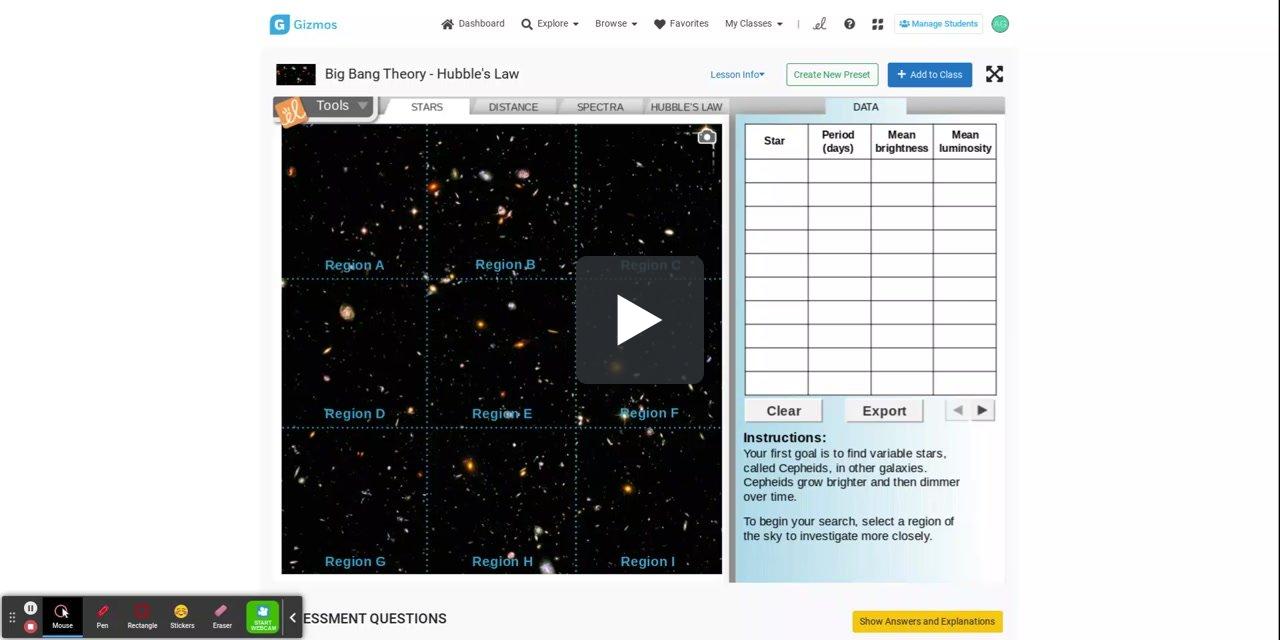
Let’s say you're a student trying to get your head around this. You’ve read about the Big Bang and how the universe is expanding, but it feels a bit… fluffy. Like trying to catch smoke. Then you load up the Hubble’s Law gizmo. You're presented with a simulation. You can speed up time, slow it down, zoom in, zoom out. You get to see galaxies, represented by little sparkly dots, all moving away from each other. You can click on a dot, and it tells you its distance and its recession velocity (that’s fancy talk for "how fast it’s running away").
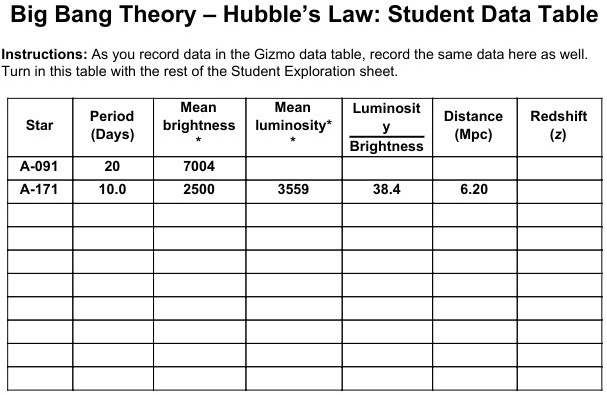
Then, you start plugging those numbers into a data table within the gizmo. You might see something like: Galaxy A, 100 million light-years away, moving at 2,000 km/s. Galaxy B, 200 million light-years away, moving at 4,000 km/s. Galaxy C, 300 million light-years away, moving at 6,000 km/s. Your brain, even if it’s still a bit foggy from that last cup of coffee, starts to notice a pattern. For every 100 million light-years further away a galaxy is, it’s moving twice as fast. This is Hubble's Law in action, laid out for you like a cosmic buffet!
The answers you get from these gizmos aren't just random numbers. They are the result of applying scientific principles and observing real cosmic phenomena. The gizmo is designed to demonstrate the direct relationship between distance and recession velocity. So, if you’re asked, "What happens to the speed of a galaxy as its distance from us increases?", the gizmo will show you, time and time again, that the speed increases. And if you're asked to calculate the Hubble Constant (which is essentially the rate of this expansion), the gizmo can help you figure that out by looking at the slope of your distance-velocity graph.
It’s like this: imagine you’re trying to understand how much sugar you need to add to your tea to make it perfectly sweet. You start with no sugar – not sweet. Add a little – a bit sweet. Add more – getting there. Add way too much – yikes, too sweet! The gizmo is like having a magical teapot that shows you the perfect amount of sweetness for every level of sugar you add. It takes the guesswork out of it and shows you the consistent, predictable relationship.
One of the cool things about the Big Bang Theory is that it’s not just some crackpot idea from the past. It’s a theory that’s constantly being supported and refined by new observations. And understanding Hubble’s Law is a huge part of that. It’s one of the most direct pieces of evidence we have that the universe isn't static; it's a dynamic, ever-changing entity.
The answers you'd find using a gizmo for this topic are often about identifying this linear relationship. You might be asked to determine if galaxy X is moving faster or slower than galaxy Y based on their distances. Or, you might need to calculate a theoretical velocity for a galaxy at a specific distance using the Hubble Constant derived from the gizmo. It’s all about connecting the dots, literally and figuratively.
Sometimes, the questions can be a bit tricky. Like, "If the universe is expanding, why aren't we expanding?" And that’s a great question! The gizmo, in its own way, can help you see this too. The forces holding things like our bodies, planets, and even solar systems together (gravity, electromagnetic forces) are incredibly strong on a local scale. The expansion of space is a much larger-scale phenomenon. It's like the fabric of a trampoline. You can stand on it, and it holds you up. But if you were to somehow stretch the entire trampoline itself, you’d notice the stretching over the larger surface, even though you’re still firmly planted in one spot.
The Big Bang is the event, the origin story. Hubble's Law is the ongoing saga, the proof that the story is still unfolding. And the gizmo? It’s your personal viewing screen, your interactive guide to the cosmic drama. It helps you get those answers, to understand the fundamental concepts, and maybe even to develop a newfound appreciation for how vast and mysterious our universe truly is.
So, next time you’re feeling a bit overwhelmed, remember the universe. It started tiny, and it’s been growing ever since. And the further away things are, the faster they’re getting away from us. It’s a grand, cosmic dance. And thanks to folks like Hubble and the cleverness of gizmos, we get to have a front-row seat to the show. Pretty neat, huh? It’s a constant reminder that even the biggest, most mind-boggling mysteries can often be understood by looking at patterns, relationships, and sometimes, just a really good interactive simulation. It’s science, but make it accessible. It's the universe, but make it understandable. And all thanks to a theory, a law, and a gizmo!